THE CHURCHES OF SAN GIORGIO AND SAN GIUSEPPE IN GROSIO: A JOURNEY THROUGH HISTORY AND ART
16 April 2025

In the heart of Valtellina, the town of Grosio is home to two churches that tell the rich religious and cultural history of the area: the Church of San Giorgio and the Church of San Giuseppe. Foppoli Moretta e Associati has recently been involved in various types of investigations and monitoring at both Churches.
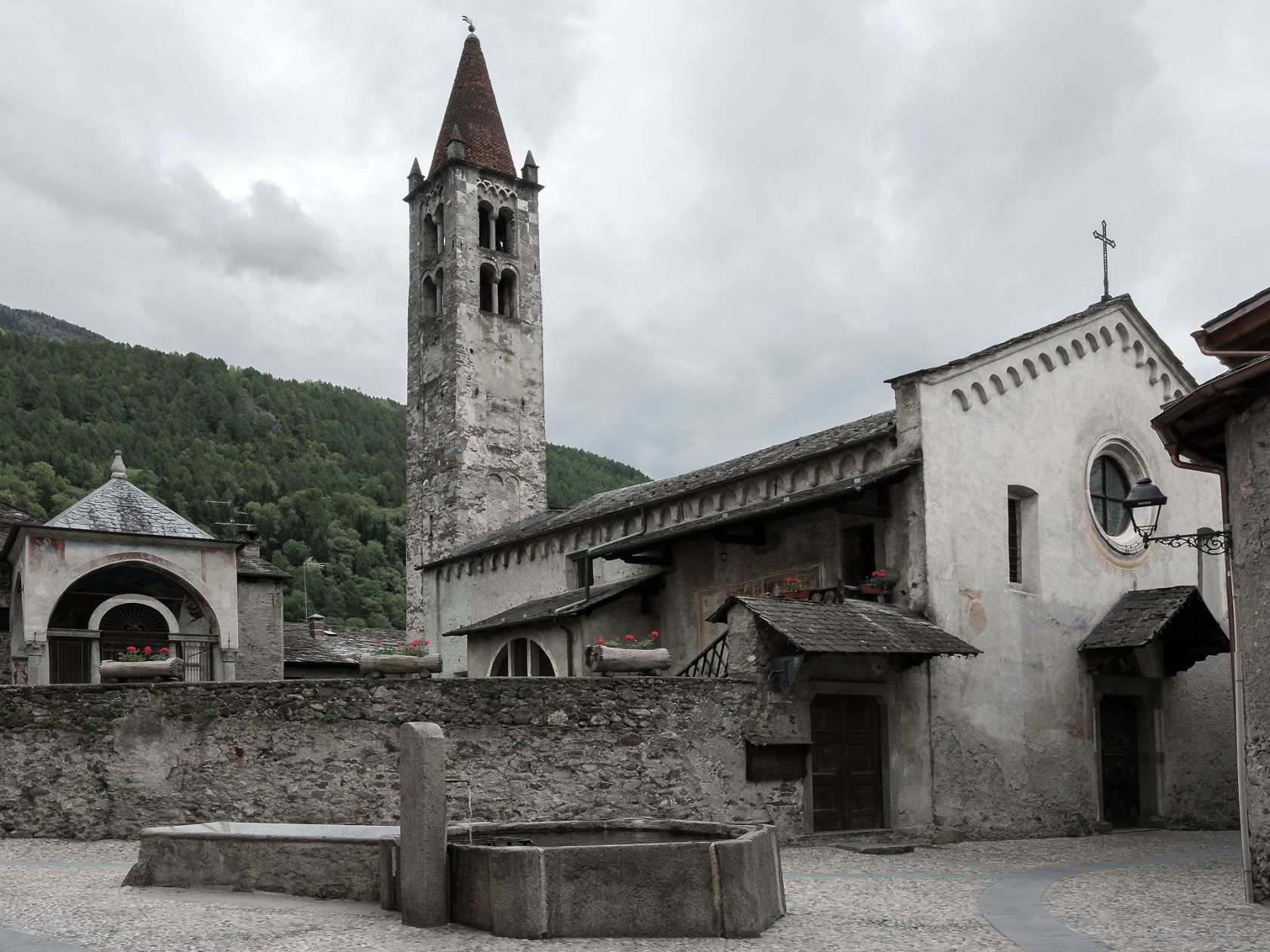
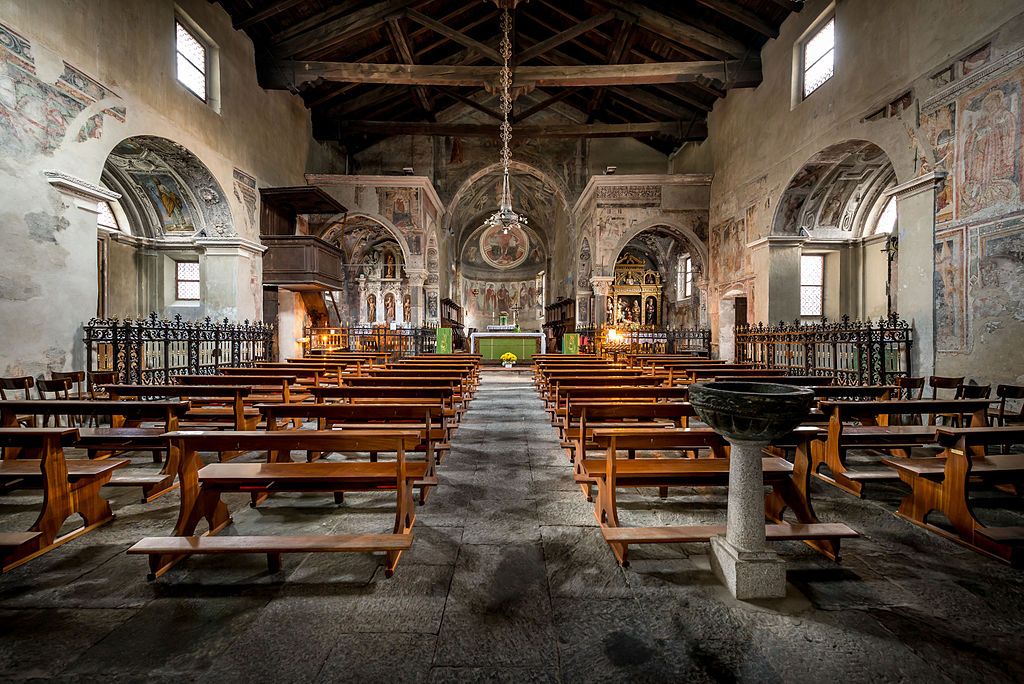
The Church of San Giorgio, located in the center of the town, is an example of medieval architecture that has resisted Baroque transformations, maintaining its original charm. Its simple single-hall plan and frescoes dating back to the 15th-17th century, among which the "Deposition" by Cipriano Valorsa stands out, bear witness to local Renaissance art.
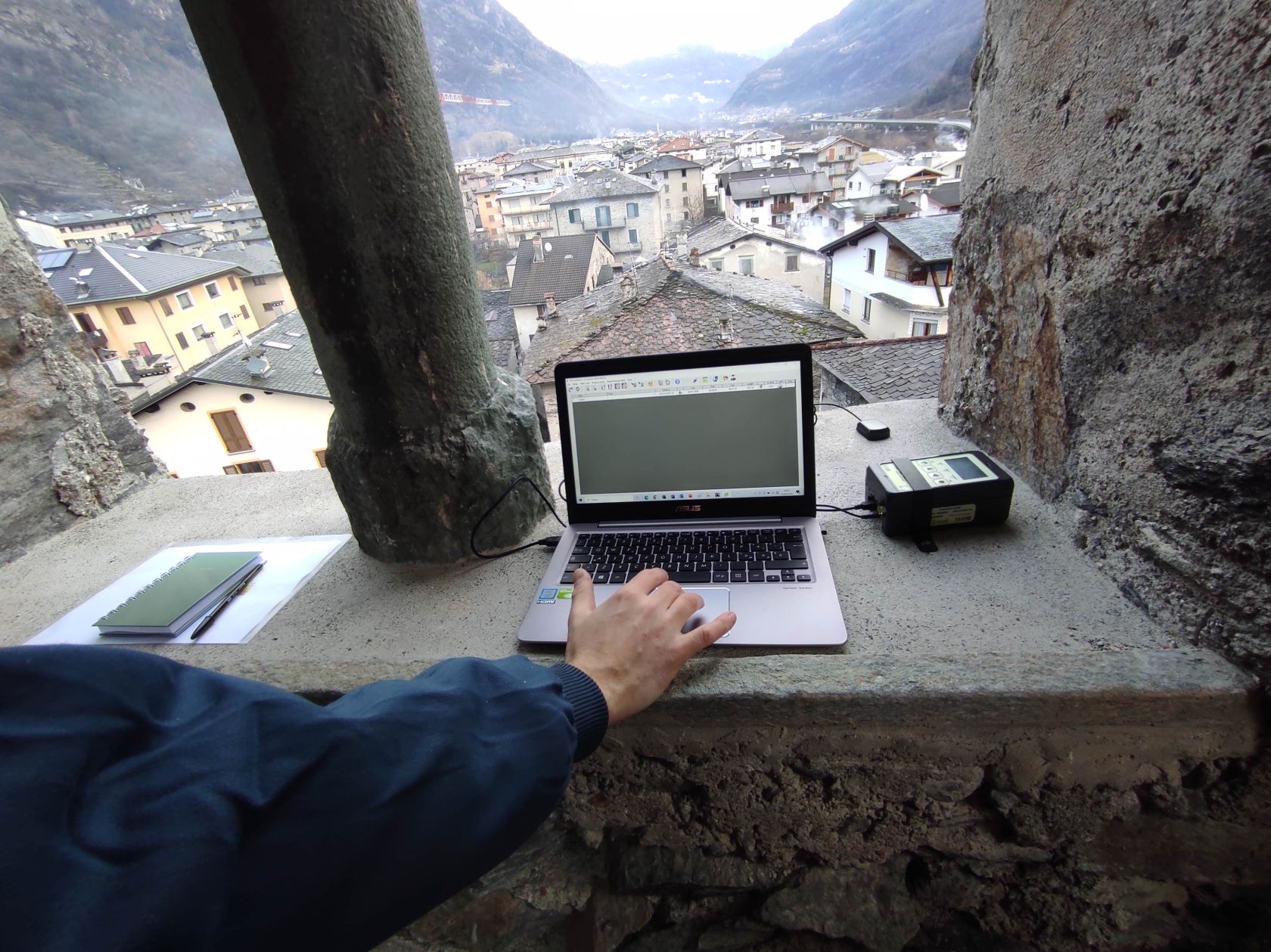
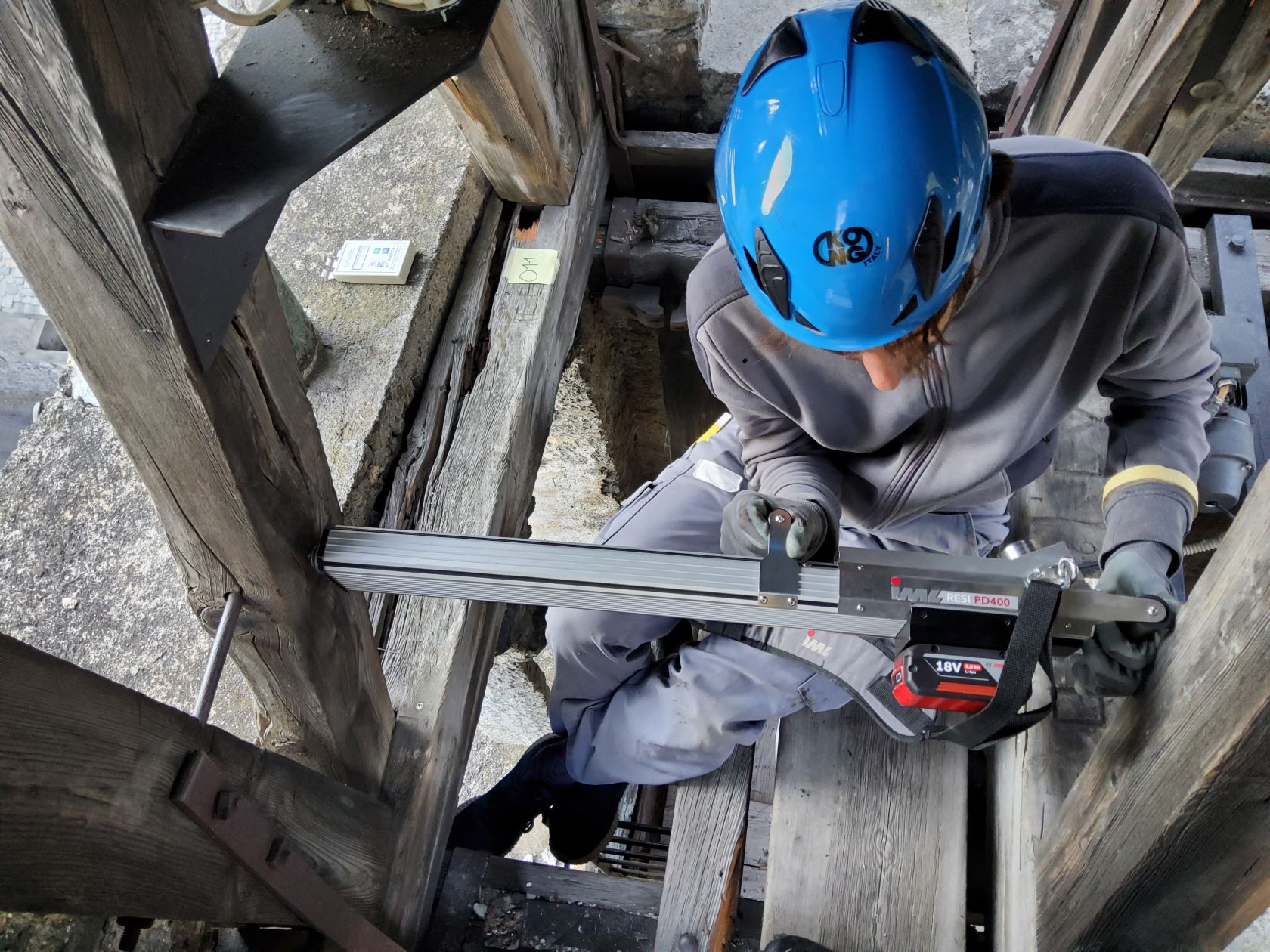
In the Church of San Giorgio, in-depth investigations were carried out on the bell tower, in particular on the wooden bell tower. The activities carried out included structural investigations on the wood of the bell tower, visual analysis of the state of conservation, penetrometric tests with resistograph to evaluate the resistance of the wood and survey of the main structural nodes to understand the construction layout. Diagnostic investigations were carried out on the materials of the Church by taking plaster samples for chemical analysis, dynamic investigations were then carried out, aimed at evaluating the vibrational effect induced by the movement of the three bells on the walls of the bell tower. Finally, continuous microclimatic monitoring was carried out by installing 5 environmental probes (internal and external), with hourly data acquisition.
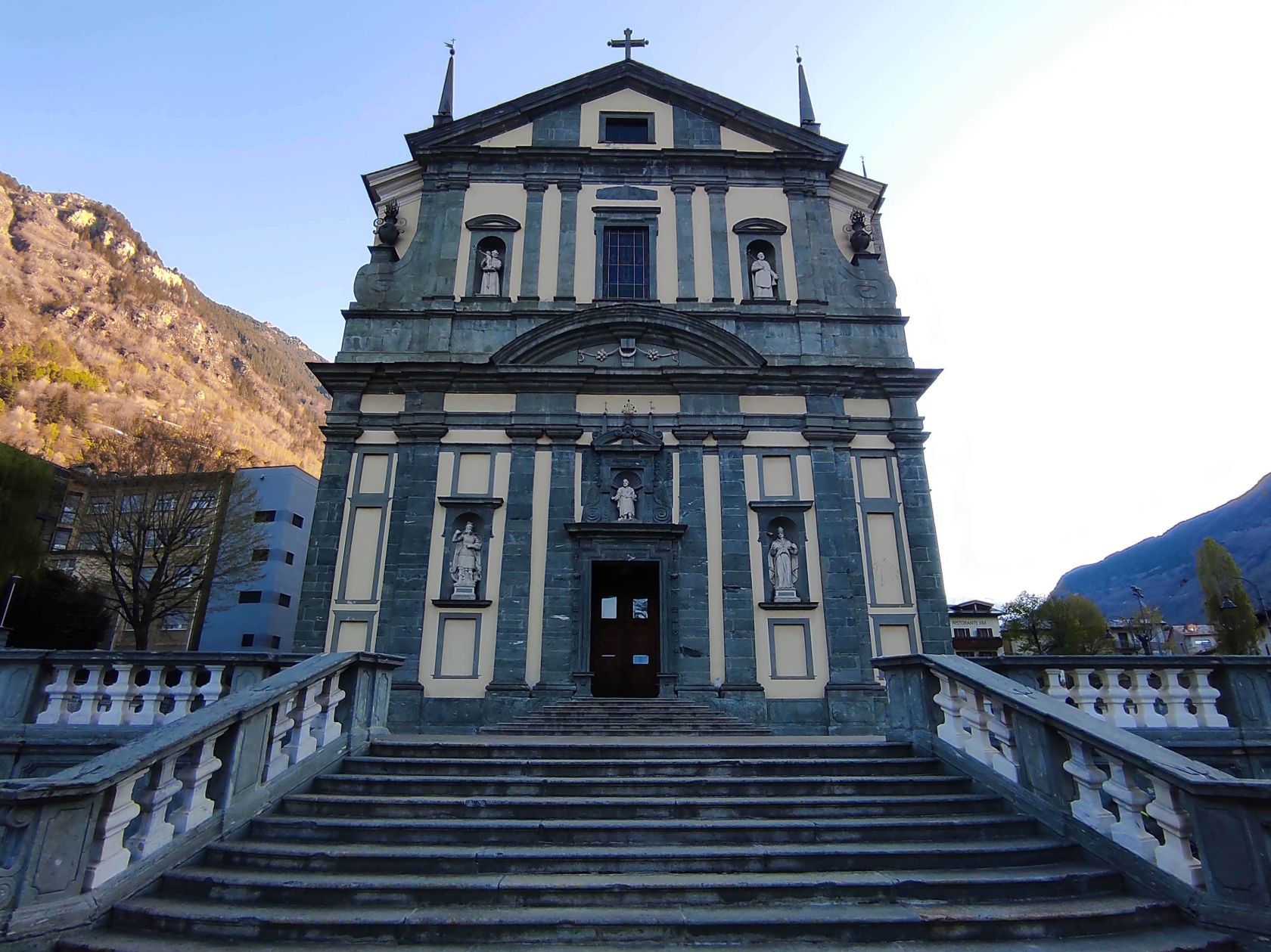
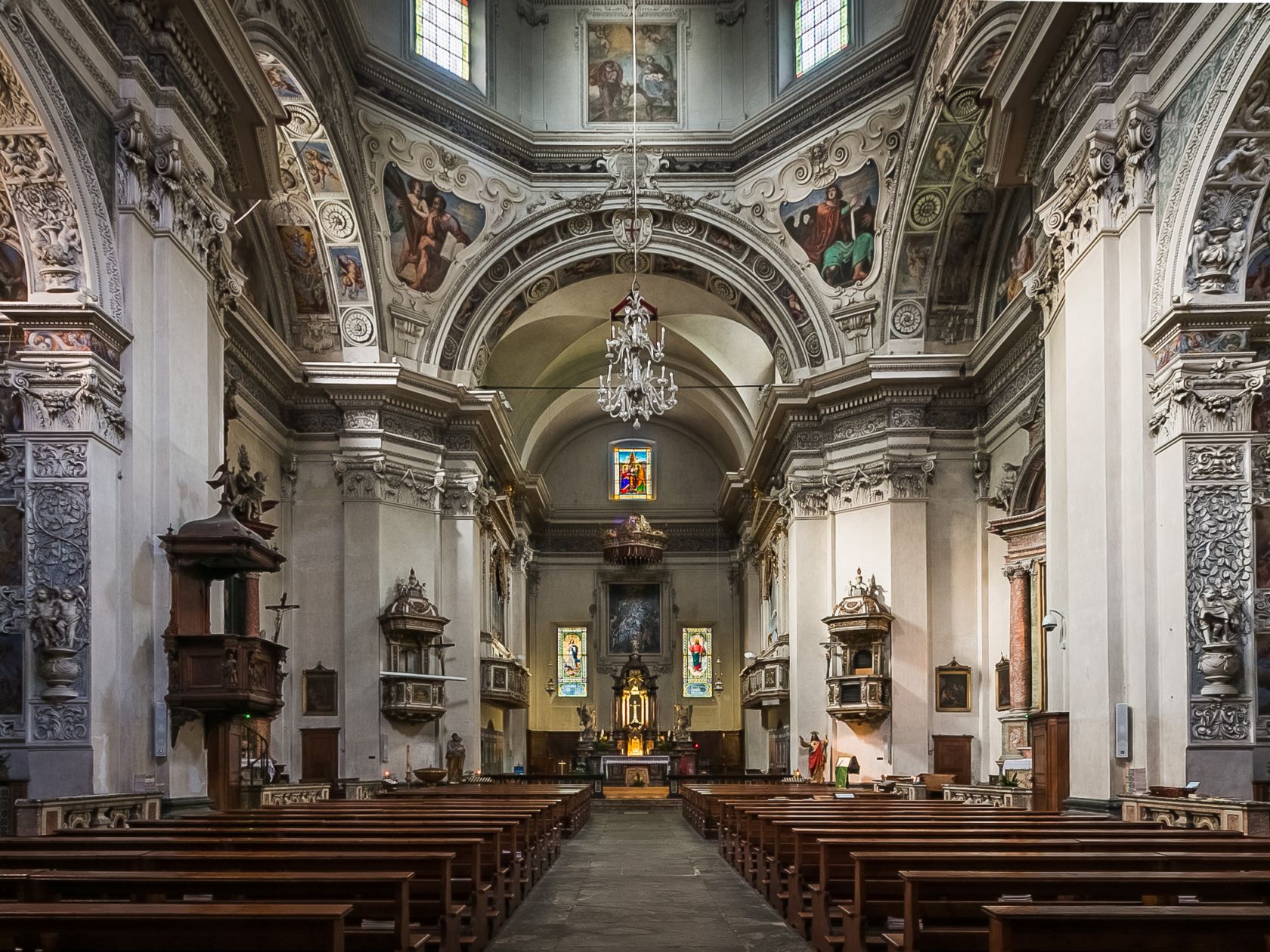
The Church of San Giuseppe Built between 1626 and 1670, it is an example of Baroque architecture. With an imposing façade and a richly decorated interior, the church houses the evocative fresco of Christ Pantocrator. In 1818 it became a parish church, replacing the church of San Giorgio.
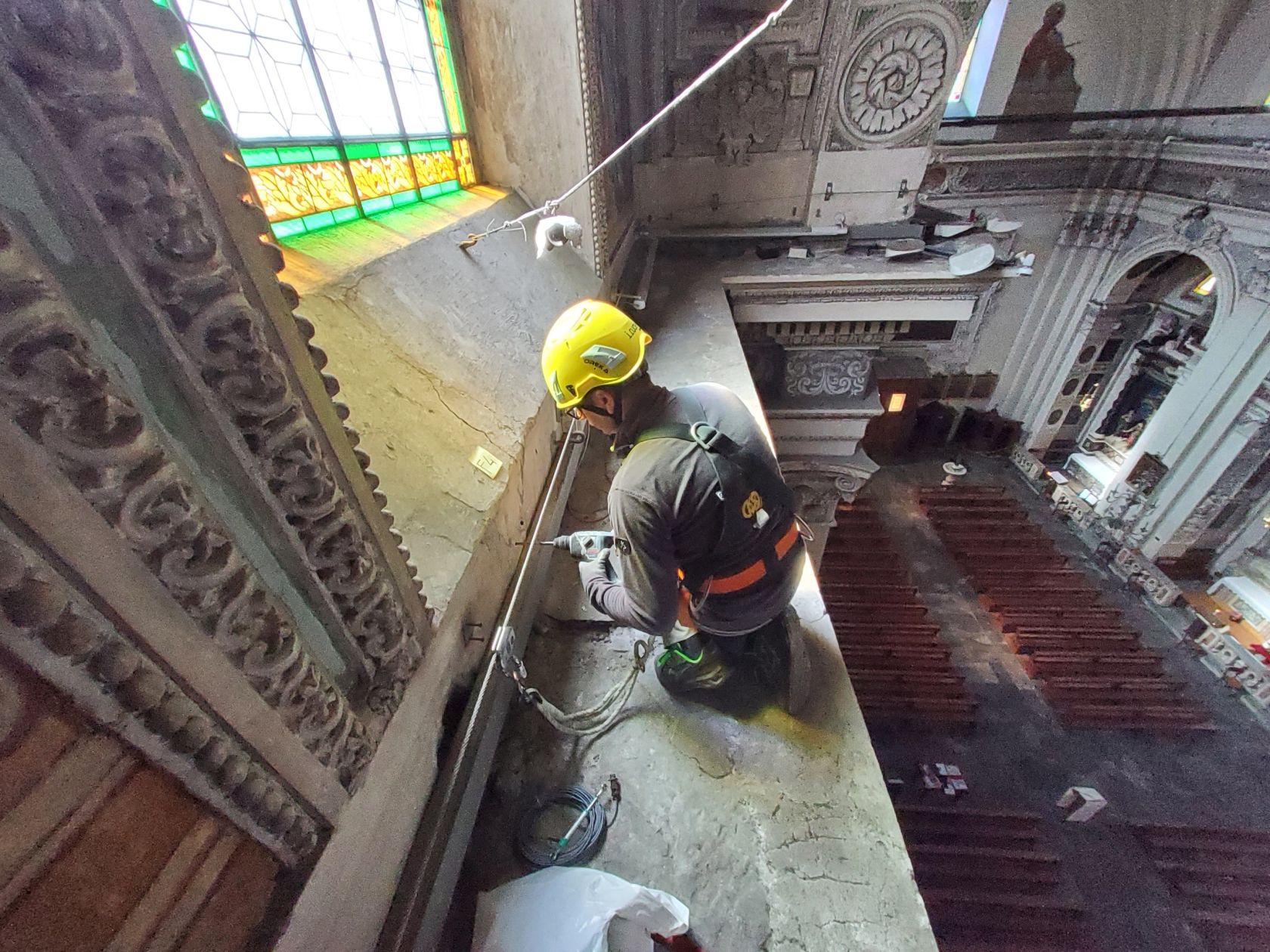
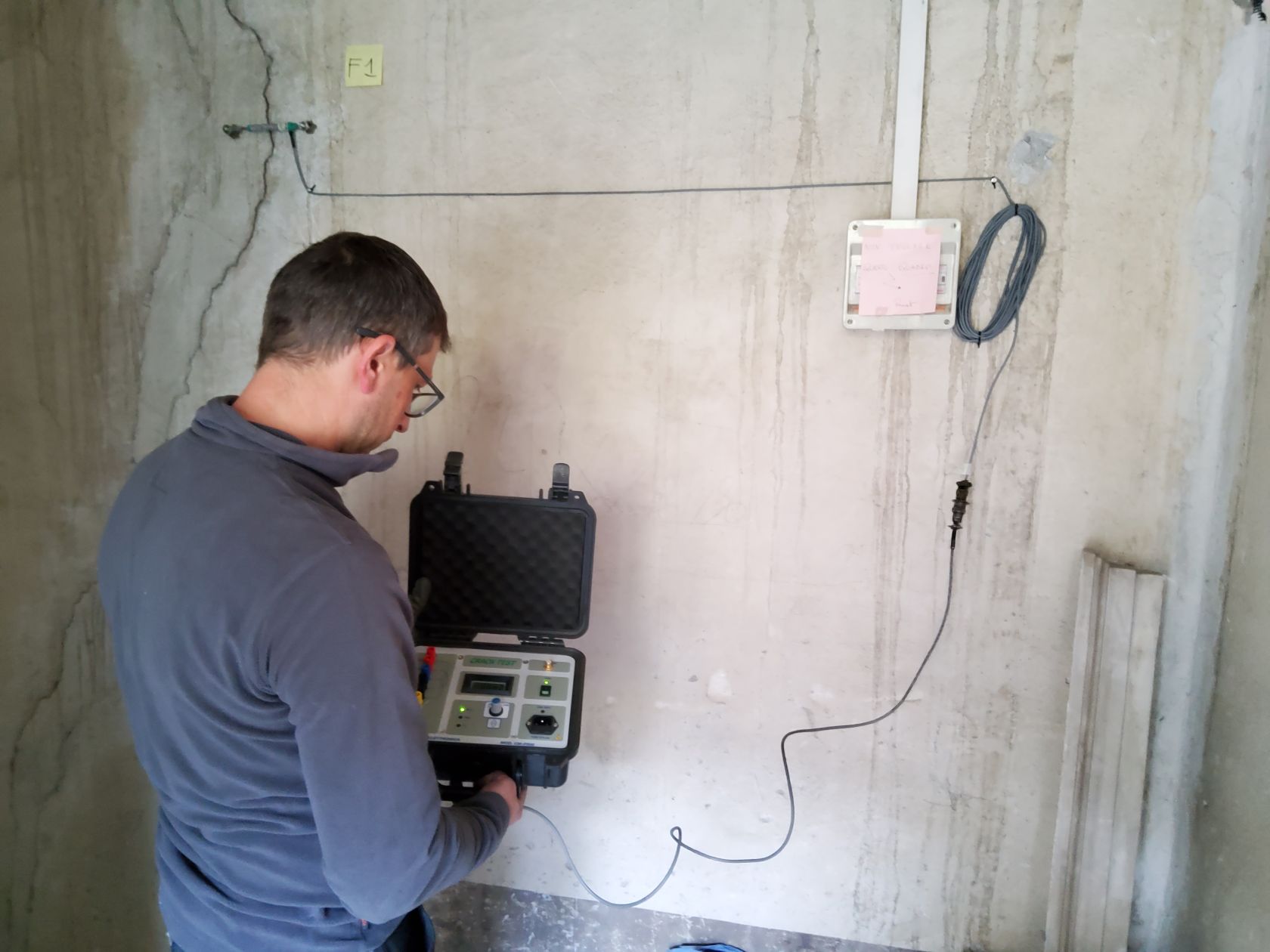
A monitoring system was installed in the Church of San Giuseppe to monitor the evolution of the cracks in the perimeter walls of the church over time, in order to detect any deformations and/or structural failures. 5 potentiometric strain gauges were positioned on the main cracks, fixed with threaded rods and anchored to the masonry with resin. The data is read via a portable control unit with a digital display, which also detects the air temperature. At the end of the monitoring period, a technical report will be issued with the validation of the acquired data and the interpretation associated with the data provided over time by the structural monitoring system.
Pictures